Some worthy readings in this issue...
Fouad
If you are not able to see this mail, click
here

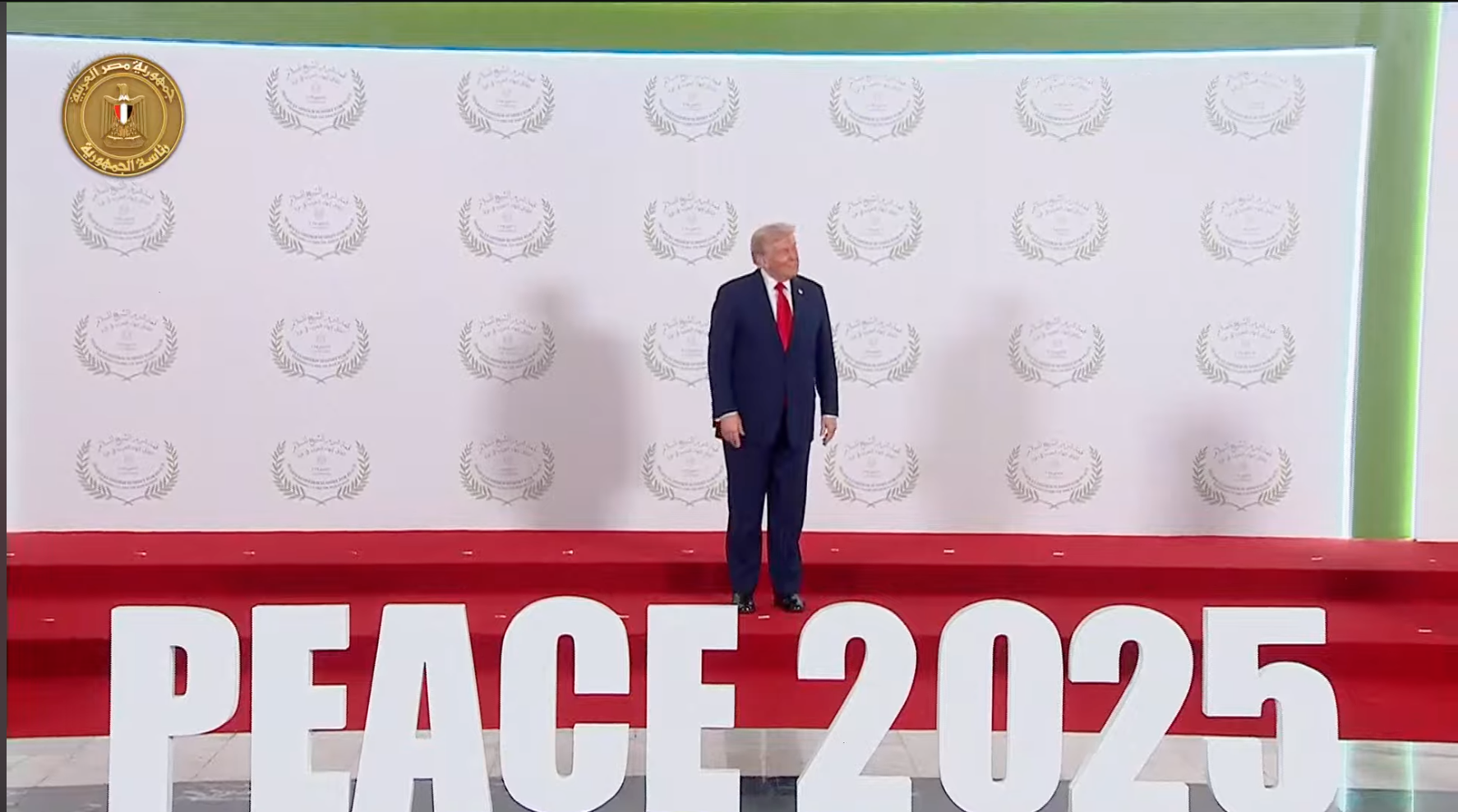
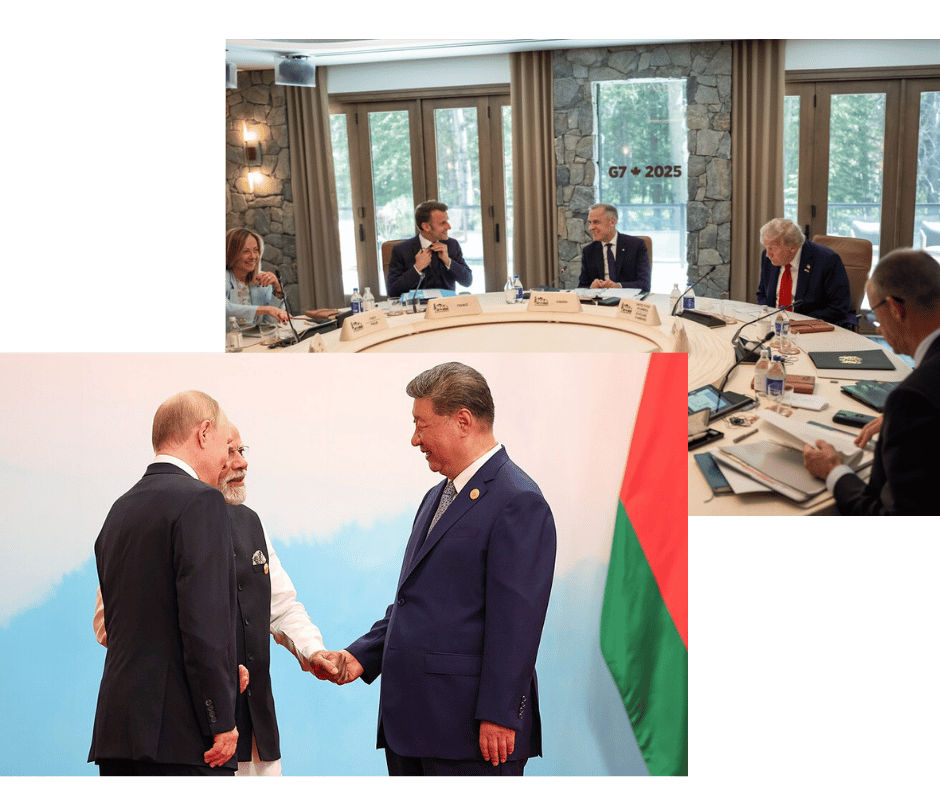
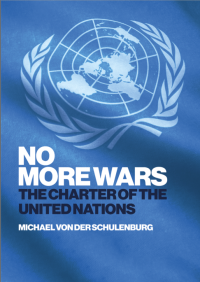
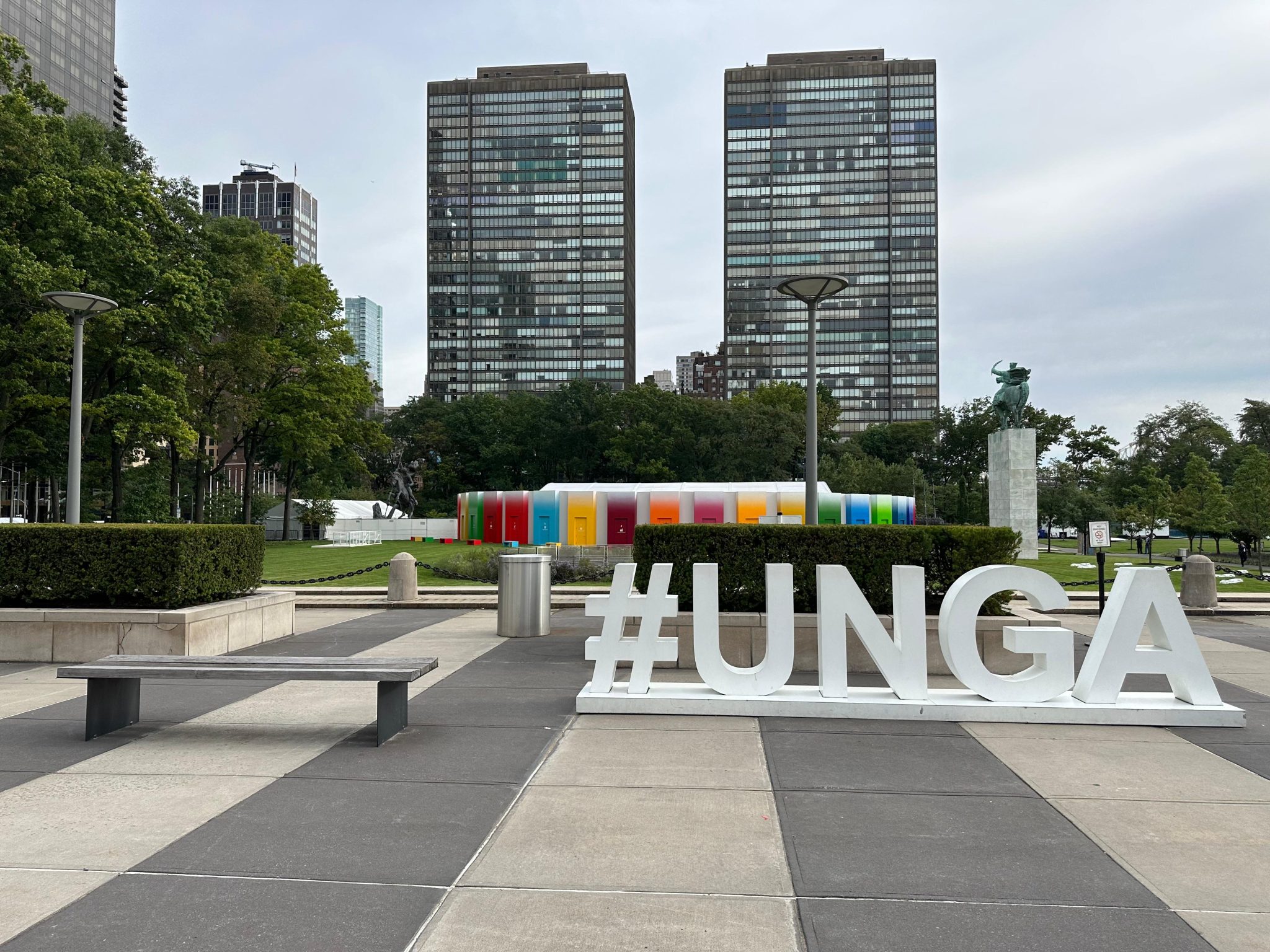
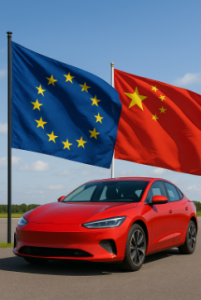
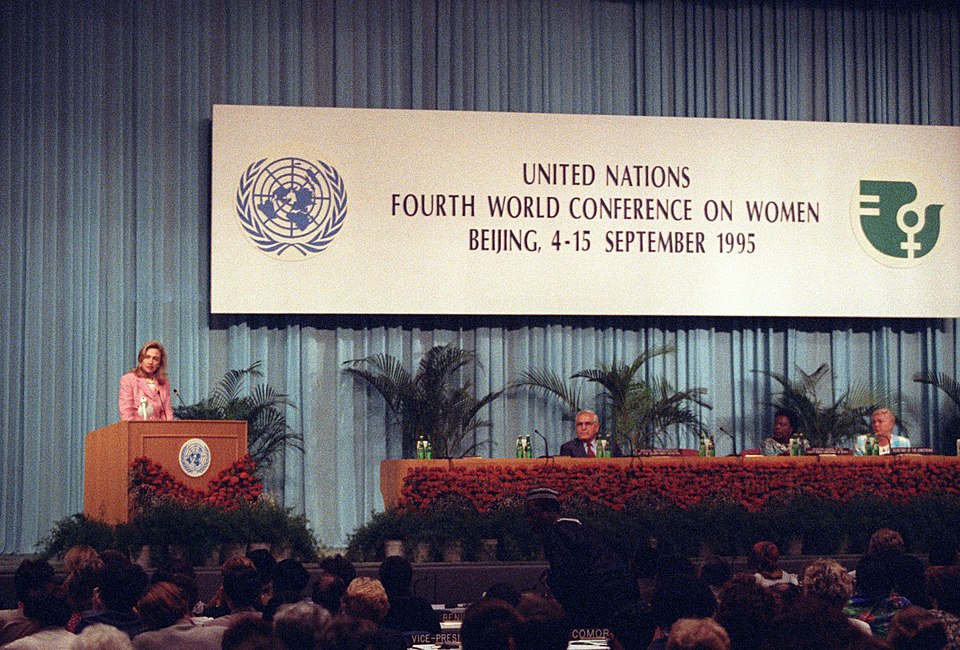
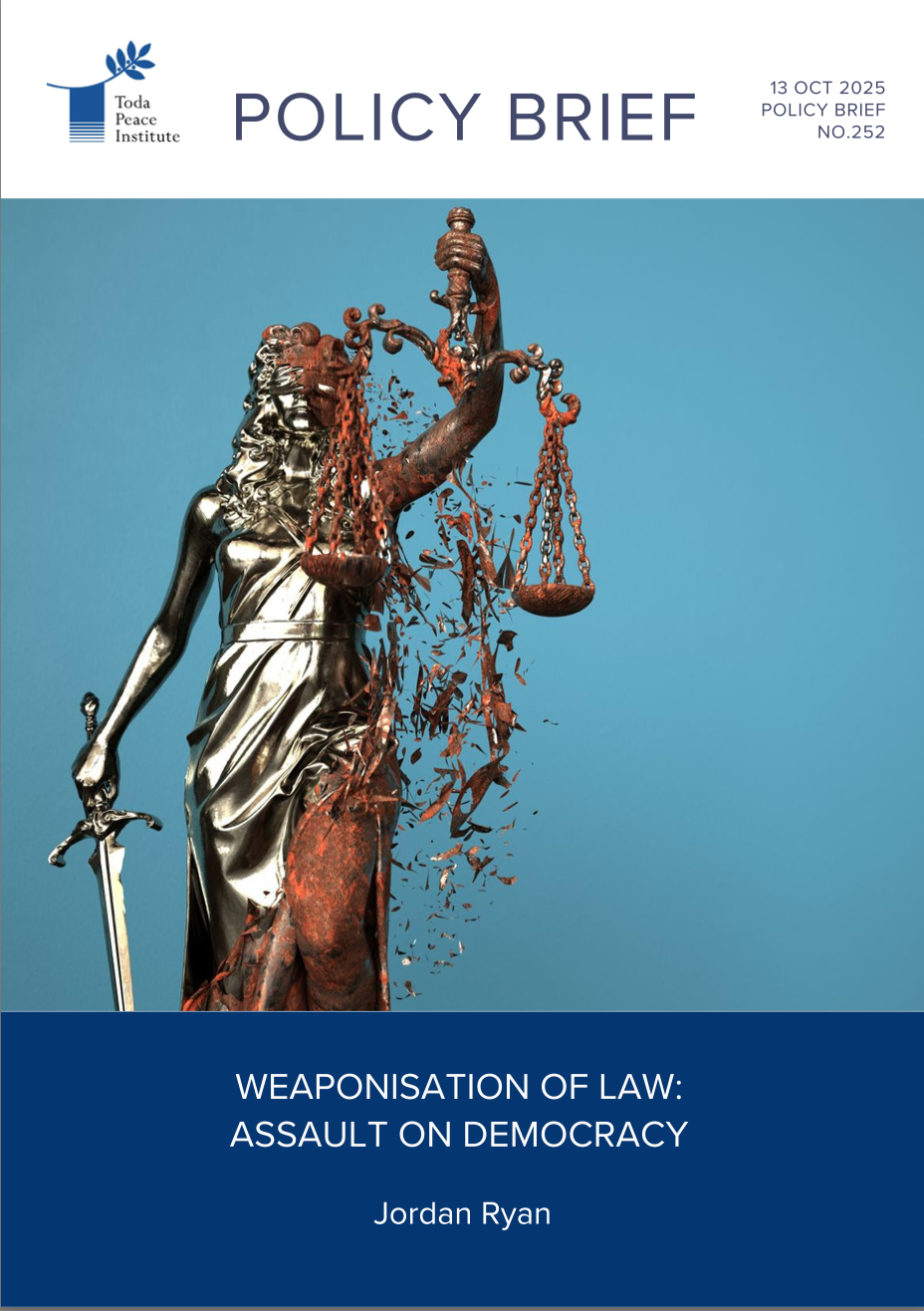
| | | Globalisation on human terms | | | | | | | | | | | | | Hail the Peacemaker! And then what? | | | | From the Knesset to Sharm el-Sheikh, Trump's theatrics meet the vacuum of UN authority. Is this the revival of bold leadership — or the erosion of multilateral order as we know it? | | | | | | | | | | When Power Refuses to Evolve: Rethinking Global Governance | | | | The West calls it a challenge to the liberal order; China calls it reform. This piece probes the deeper reckoning facing multilateralism — can a world frozen in 1945 be reshaped before it breaks apart? | | | | | | | | | | The UN Charter must be at the heart and soul of any new peace architecture | | | | Eighty years after the end of the Second World War, the UN Charter's promise of peace still competes with the shadow of nuclear deterrence. As multipolarity returns, this piece asks whether the Charter's vision—collective security and shared humanity—can finally replace power politics before history repeats itself. | | | | by Michael Von Der Schulenburg | | | | | | UN Day observance on 24 October 2025. This year marks the UN's 80th anniversary. | | | | | | UN General Assembly High-level Week: Can it become a high-impact week? | | | | As the UN marks its 80th session, the General Assembly opens under the shadow of deep systemic failure — from Gaza and Ukraine to the faltering SDGs. Can High-level Week revive multilateralism, or are we witnessing the slow obituary of the post-WWII order? | | | | by Katoikos Editorial team | | | | | | Europe's EV Tariffs Protect the Past and Not the Planet | | | | As Europe raises tariffs on Chinese EVs, it risks slowing the very green transition it champions. This piece argues for a Green Trade Truce — a new model of cooperation and standards that could turn Europe's regulatory power into a climate advantage, not a trade weapon. | | | | | | | | | | Reaching Consensus Is the Foundation of Promoting Women's Rights | | | | Thirty years after the Beijing Declaration, the world gathers again in China to reflect on how far women's rights have come — and how fragile progress remains. This piece explores why gender equality is not ideology but efficiency — and how empowering women strengthens societies, economies, and the very idea of shared humanity. | | | | | | | | | | From our partners and associates | | | | | | | | | An Inclusive Society Institute Event Report | | | | | | | |
Comments
Post a Comment
Please ensure you leave your name, bei either selecting your google account (if you have one), or selecting 'name' from the drop down menu. Enter your name there. If confused, leave your name in the text of your comment.